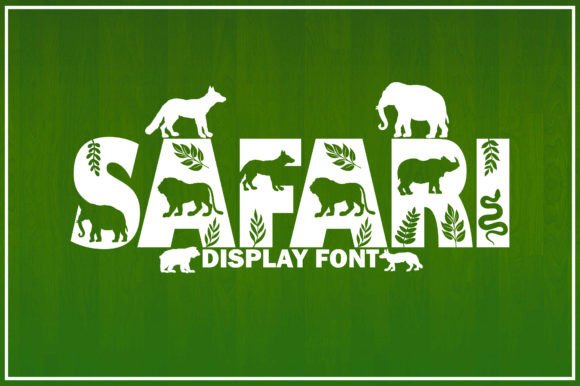
Discover the Charming and Versatile Safari Display Font
Imagine a typeface that immediately injects personality and warmth into any design it touches. That’s the unique charm of the Safari font. This isn't just another typeface; it's a carefully crafted display font designed to bring a fun, cute, and engaging character to your creative projects. Whether you're a seasoned designer or a passionate hobbyist, understanding a font's personality is the first step to using it effectively, and Safari's personality is all about friendly, approachable creativity.
At its core, Safari is a premium display typeface, meaning it's crafted to make a statement in headlines, logos, and other prominent text rather than in long body paragraphs. Its visual appeal lies in its balanced, slightly rounded letterforms that feel both modern and whimsical. This design flexibility allows it to straddle the line between a playful sans serif font and a charming script, giving you a versatile tool for a wide range of applications. It’s the kind of creative font that feels instantly familiar yet distinct, helping your work stand out.
Where Does Safari Shine? Practical Use Cases
The true value of any design asset is in its application. Safari’s friendly demeanor makes it a perfect fit for projects where you want to connect with your audience on a personal level. Consider using it for:
- Brand Identity & Logo Design: For brands that want to appear approachable, youthful, or joyful, Safari can form the cornerstone of a memorable logo. It pairs beautifully with simpler sans serif fonts for a balanced and professional look.
- Packaging Design: Products aimed at families, children, or the gift market benefit greatly from its cute aesthetic. It can make packaging for snacks, cosmetics, or artisanal goods feel more inviting.
- Social Media Graphics & Poster Design: In the fast-scrolling world of social media, a font that catches the eye is gold. Safari is excellent for creating engaging Instagram stories, cheerful Facebook posts, or vibrant event posters that demand attention.
- Editorial Design & Invitations: Use it for magazine headlines, blog banners, or greeting cards to add a touch of personality that standard serif or sans serif fonts might lack.
Tips for Choosing and Using Safari
Before you integrate any new typeface into your toolkit, a few practical checks can ensure a smooth design process. First, always test Safari’s readability in the context of your project. While it’s designed for display, ensure the specific size and color contrast work for your intended medium, whether it’s a small web banner or a large printed poster.
Next, consider the mood of your project. Safari’s fun and cute nature is a powerful asset, but it must align with your overall message. It’s a fantastic choice for a children’s book cover or a bakery’s branding, but might not convey the solemnity needed for a law firm’s website. Thoughtful font pairing is also key; combining Safari with a clean, neutral sans serif for body text can create a visually appealing and readable hierarchy.
Finally, when you find a font download you love, always review the license details. Confirm that the commercial font license covers your intended use, whether for personal projects, client work, or merchandise. Checking for available styles, such as different weights or alternate characters, can also unlock even more creative potential within the same typeface family.
Ultimately, selecting the right font is about more than just aesthetics; it’s about effective communication. A well-chosen typeface like Safari can significantly enhance visual consistency, strengthen brand recognition, and elevate the professional presentation of your work. It’s a design asset that, when used thoughtfully, helps tell your story more effectively and makes a lasting impression on your audience.